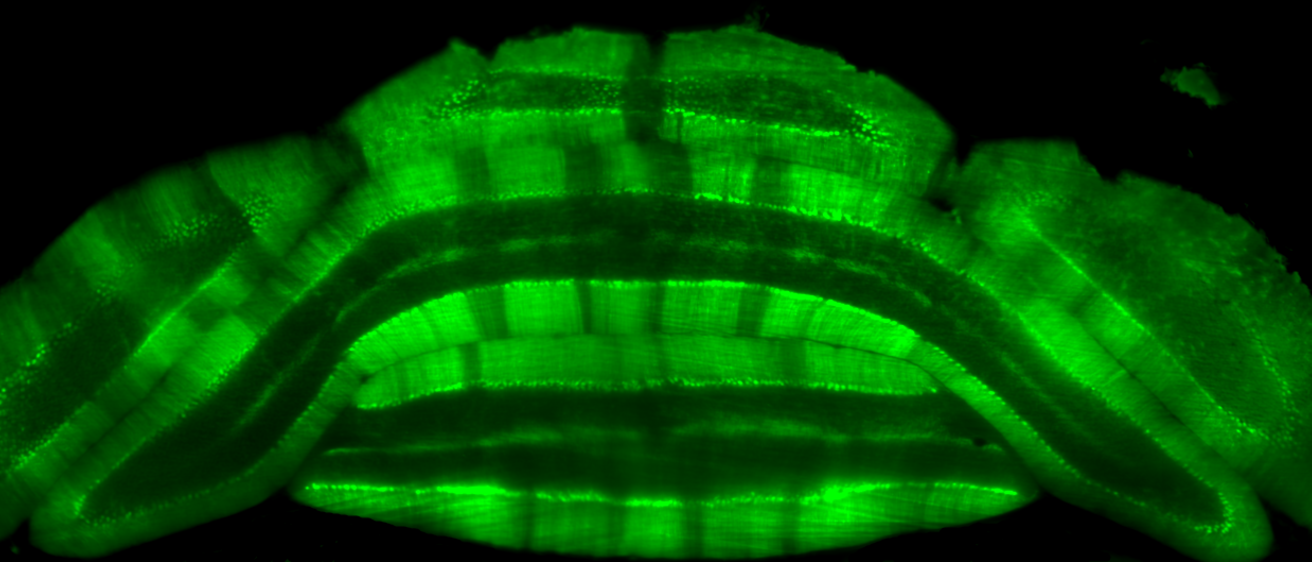
The Neural Circuits and Behavioral Core offers state-of-the-art equipment for behavioral testing and tissue imaging. Investigators may request access or training to the facility to conduct their own experiments, or consult with the Core to have the Core staff conduct the experiments for them. In addition, the Core is available for consultations regarding experiment-planning and statistical analyses.
About our facility
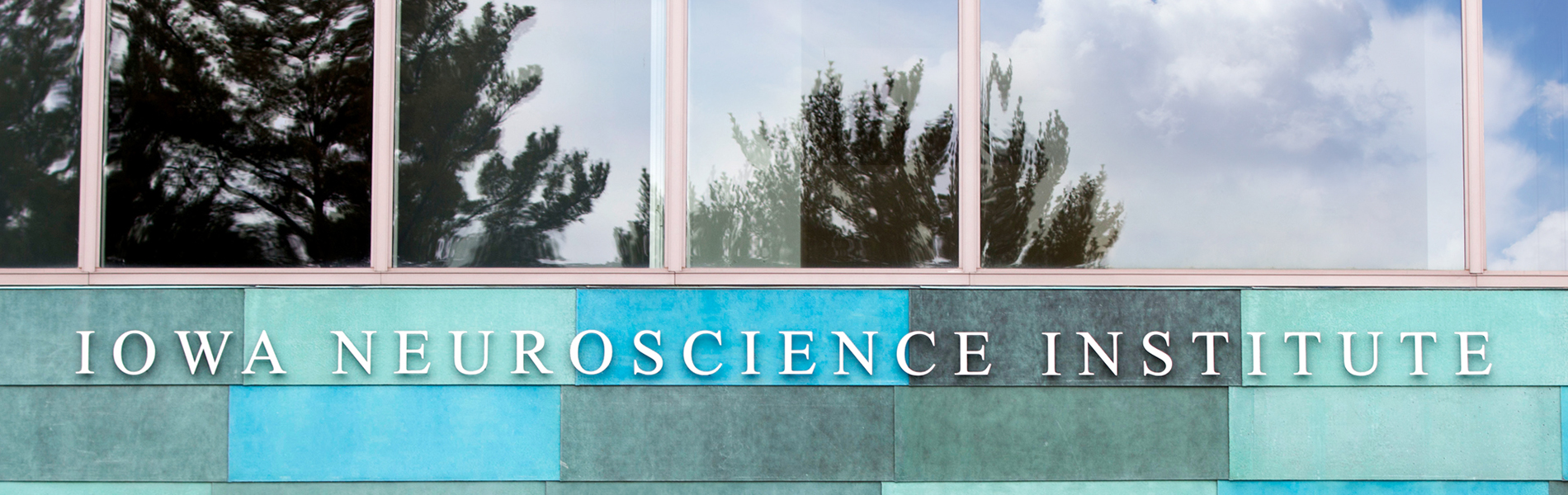
The NCBC is a part of the Iowa Neuroscience Institute (INI). It is located within the John and Mary Pappajohn Biomedical Discovery Building (PBDB). The NCBC's animal housing and behavioral testing rooms are located within PBDB's barrier animal facility. Core imaging equipment is located within the INI on the second floor of PBDB.
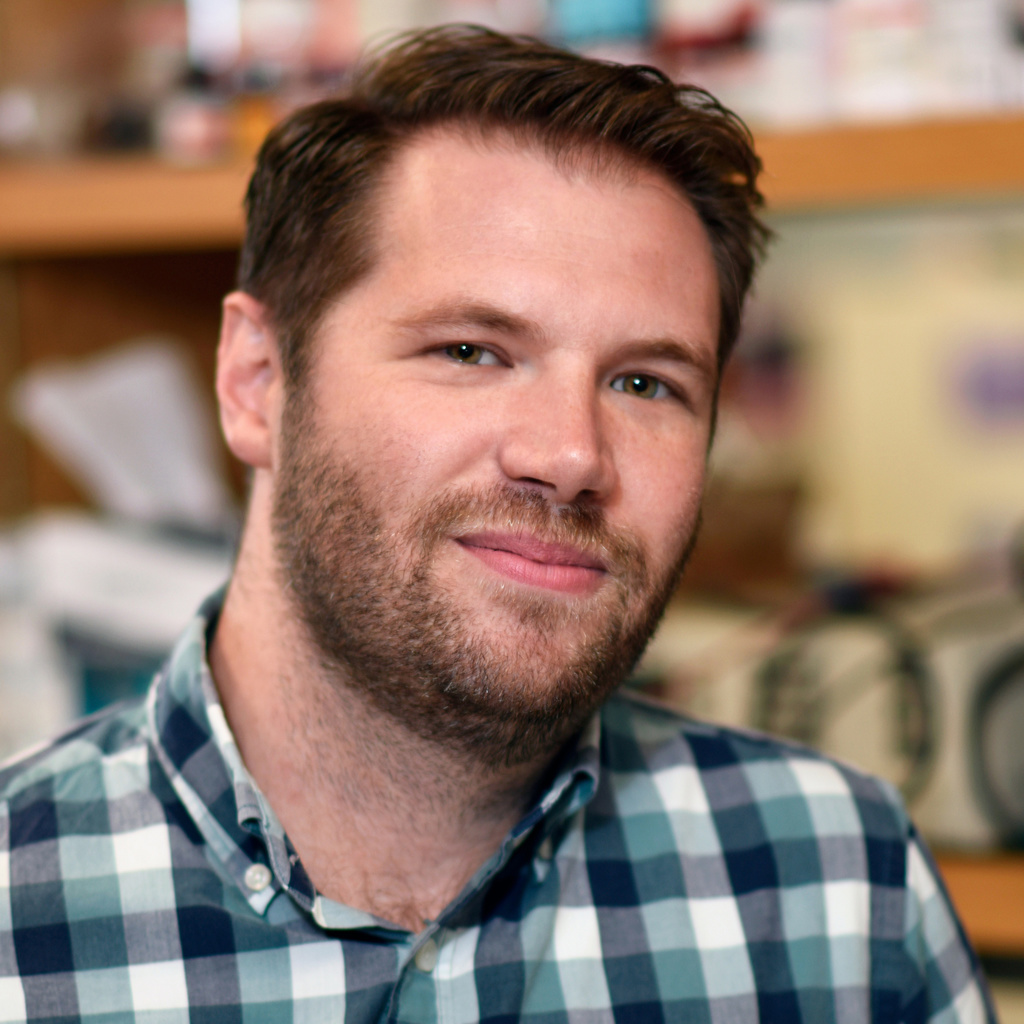
Shane Heiney, PhD
Shane Heiney received his PhD in Neuroscience from Washington University in St Louis and did postdoctoral work with Javier Medina at the University of Pennsylvania and Baylor College of Medicine. His research focuses on the role of the cerebellum in skilled movements, with a particular focus on local circuit processing within the cerebellum and circuit interactions of the cerebellum with midbrain and forebrain regions. Dr. Heiney has expertise in non-human primate and rodent behavior, single unit in vivo electrophysiology, optogenetics, and various microscopy/imaging techniques.
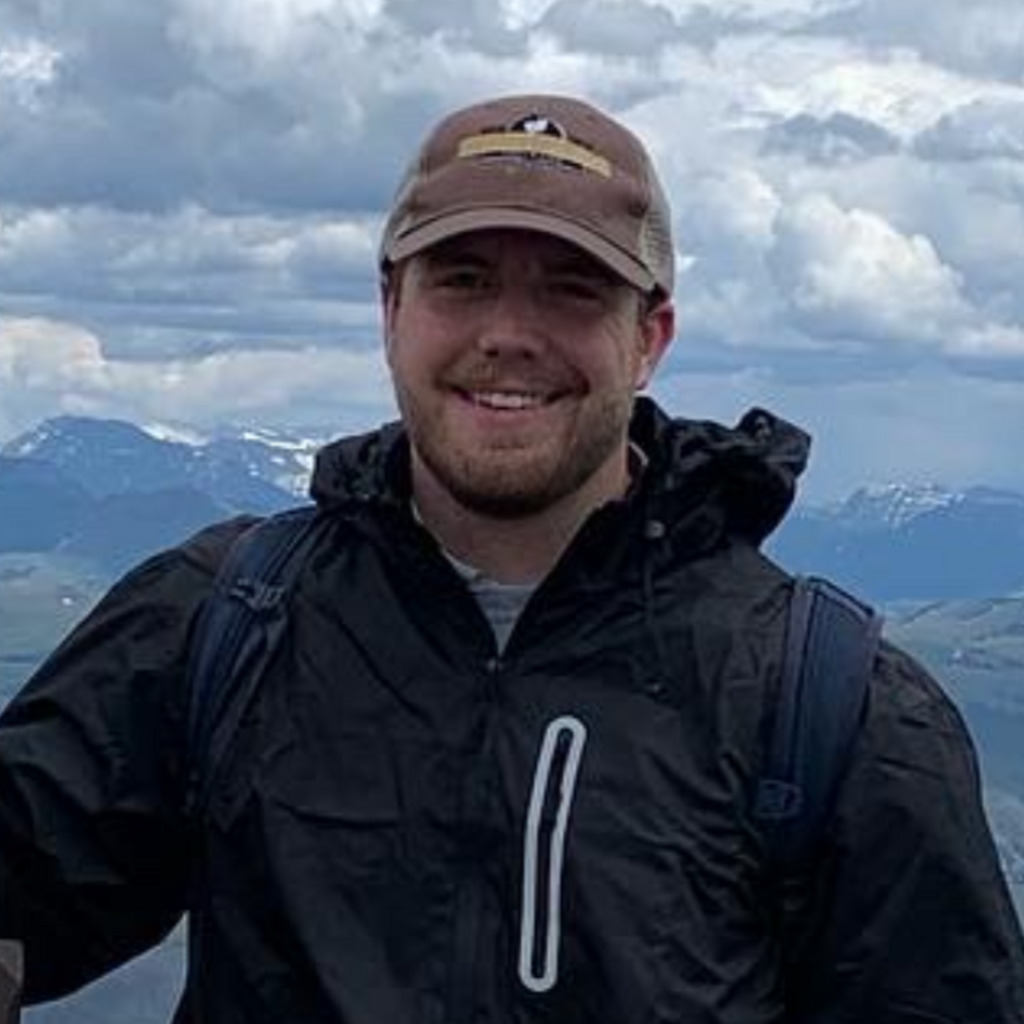
Luke Williamson, MS
Luke received his Master's degree in Neuroscience from Iowa State University and holds a strong background in behavioral neuroscience. He has hands-on research experience working with rodent models, including behavior, tissue collection, histology, and basic data analysis. Luke has contributed to projects involving neural mechanisms of psychiatric and neurological disorders. His interests include neural circuits underlying behavior, translational neuroscience, and the application of modern research tools to better understand brain function in health and disease. Outside of the lab his interests include sports, reading, and spending time outdoors.

Steve Zeng
Steve is an undergraduate student at the University of Iowa. He began working in the NCBC as a high school student at West High School. At the moment, he is interested in chemistry, EECS, neuroscience, and — chances are, if the topic sounds interesting, he's probably interested in it too. His hobbies include swimming, violin, and literature.
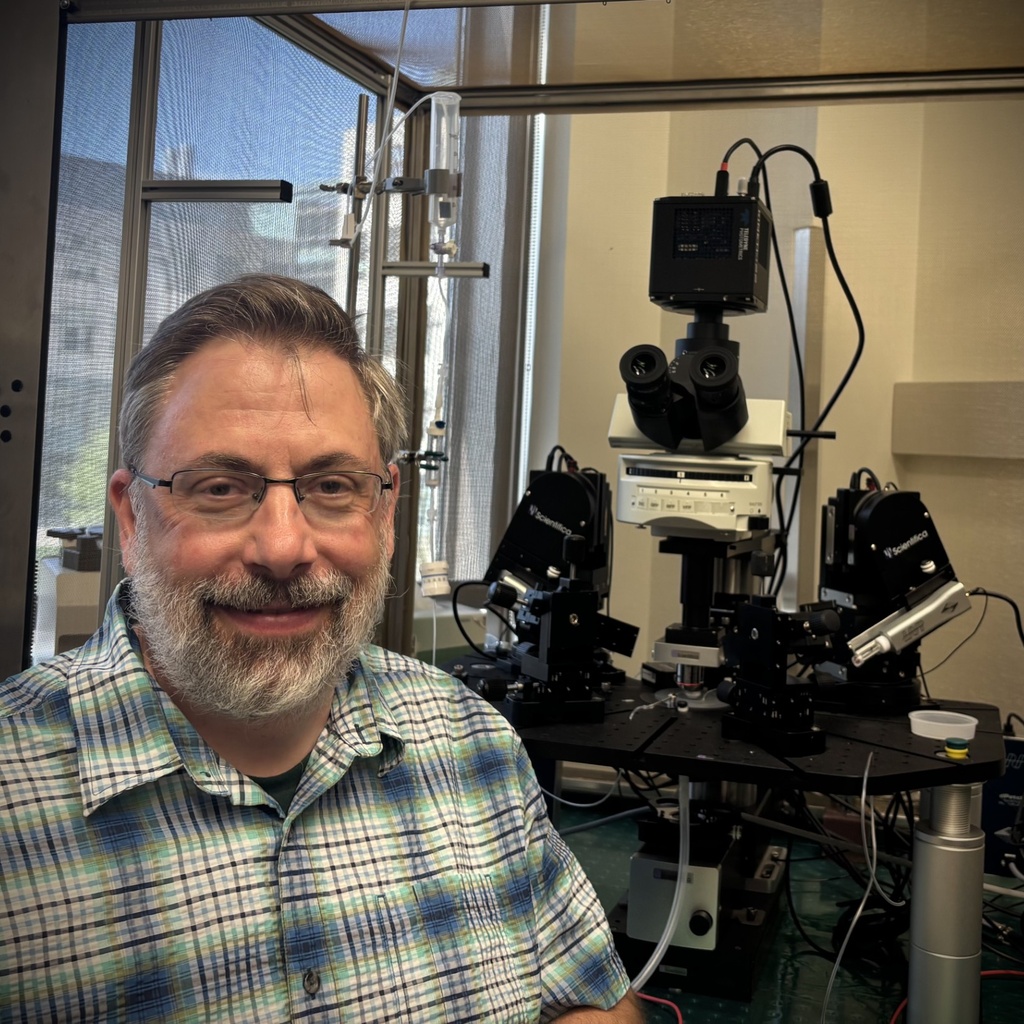
Jason Hardie, PhD
Jason received his Ph.D. in neuroscience from the University of Wisconsin-Madison and did postdoctoral work with Dr. Nelson Spruston at Northwestern University. He has most recently worked as a research scientist with Dr. John Wemmie at the University of Iowa. His research interests include dendritic and cellular integration, synaptic transmission and plasticity, intracellular calcium dynamics, biophysical properties of ion channels and their impact cellular integration, and circuit dynamics. He is highly experienced in whole-cell patch-clamp and fluorescence techniques, having worked in a number of brain regions and preparations, including hippocampus, amygdala, striatum, neocortex, cerebellum, and cell cultures. He not only generates high quality data for a number of studies, but is committed to teaching theoretical and experimental approaches that link molecular and cellular mechanisms to the greater enterprise of neuroscience research, with the ultimate goal of improving human health.

Ceren Ordas, MS
Ceren holds a Master’s degree in Ecology and Evolutionary Biology and has spent several years studying invertebrate sensory systems, with a focus on scallop vision. Her research experience includes tissue processing, histology, microscopy, image-based analysis, and aquatic respirometry. She is passionate about supporting neuroscience research using a variety of experimental techniques and is particularly interested in exploring vertebrate systems. She enjoys learning new methods, troubleshooting experiments, and contributing to projects. In her free time, she enjoys reading, attending live music events, caring for her aquarium, and traveling.